

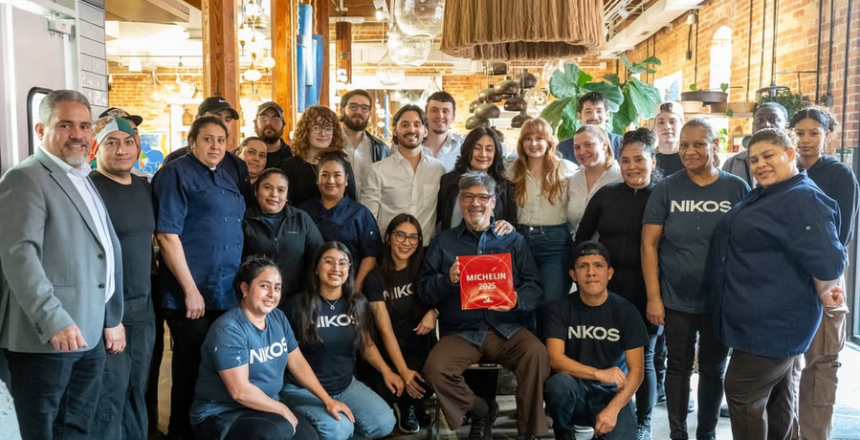
When diners walk into a Michelin-recommended restaurant, they notice the ambiance, the plating, the service, and of course the food.
What they don’t see is the infrastructure quietly powering the entire experience.
Behind every successful restaurant is a reliable network foundation. And in today’s hospitality environment, that foundation is built on structured cabling.
As Enitech celebrates 13 years serving businesses across the United States, we’re proud to share that we completed the structured cabling installations for 6 of the 14 Michelin-recommended restaurants in Raleigh this year.
This milestone isn’t just about recognition. It highlights something bigger:
Exceptional experiences require exceptional infrastructure.
What Is Structured Cabling And Why Does It Matter?
Structured cabling is the standardized, organized system of cables and hardware that supports data, voice, video, and wireless connectivity within a building.
It’s not just running Ethernet lines.
It’s designing an integrated, scalable network backbone that supports:
- Point-of-sale systems
- Online reservation platforms
- Security cameras
- Inventory management software
- Digital menu boards
- Guest Wi-Fi
- VoIP phone systems
- Payment processing
- Staff scheduling platforms
- Cloud-based kitchen management systems
When structured cabling is done correctly, it creates:
- Faster network performance
- Fewer outages
- Easier troubleshooting
- Cleaner cable management
- Room for future expansion
- Long-term cost efficiency
When it’s done incorrectly, restaurants experience slow systems, dropped connections, and operational disruptions.
In high-performance environments like Michelin-recommended kitchens reliability is non-negotiable.
Why Restaurants Are More Dependent on Technology Than Ever
Modern restaurants are technology ecosystems. From POS systems to cloud integrations and guest Wi-Fi, every element depends on a reliable foundation. Enitech’s hospitality and restaurant IT support services are designed specifically to meet the unique demands of high-performance dining environments.
Today’s dining experience depends on:
- Real-time inventory updates
- Integrated ordering systems
- Third-party delivery platforms
- Reservation analytics
- Digital waitlists
- Payment security compliance
- Surveillance and security systems
Every one of those systems runs on network infrastructure.
If the cabling is unreliable, the entire operation feels it.

“Great restaurants depend on more than great food, they rely on rock-solid infrastructure,” said Antwine Jackson, President of Enitech. “We’re honored that structured cabling installed by our team supports six of Raleigh’s Michelin-recommended restaurants.”
Behind the scenes, connectivity drives efficiency. Efficiency drives service. Service drives reputation.
Infrastructure matters.
7 Michelin-Recommended Restaurants Built on a Reliable Foundation
Enitech provided structured cabling for:
- Brodeto
- Crawford and Son
- Poole’s Diner
- St. Roch Fine Oysters + Bar
- Brewery Bhavana
- Nikos
Each of these establishments depends on seamless connectivity to maintain the standard of excellence that Michelin recognition demands.
“In a restaurant environment, reliability matters just as much behind the scenes as it does in the dining room,” said Muihrienne Leggat of Giorgios Hospitality Group – Nikos. “Enitech’s structured cabling gave us a rock-solid foundation we can rely on every day, and their team was professional, efficient, and easy to work with from start to finish.
This isn’t about flashy technology. It’s about dependable performance day after day.
The Hidden Risks of Poor Cabling in Restaurants
Restaurants operate in uniquely challenging environments:
- Heat
- Moisture
- Tight buildouts
- Frequent equipment changes
- Fast-paced construction timelines
Improperly installed cabling can lead to:
- Network slowdowns during peak hours
- POS outages
- Payment processing failures
- Compliance risks
- Costly rewiring
- Safety hazards
Structured cabling is not an afterthought. It should be part of the early design phase of any buildout or renovation.
“Every structured cabling project is about durability and long-term performance,” said Chris White, COO of Enitech. “In restaurant environments, uptime matters. Our goal is to deliver infrastructure that works quietly and reliably every single day.”
Why 13 Years Matters
Founded in 2012, Enitech has supported businesses nationwide with:
- Structured cabling
- Managed IT services
- Cybersecurity
- Cloud solutions
- Backup and disaster recovery
- IT consulting
Over 14 years, we’ve seen how technology expectations have evolved.
Restaurants that once needed a simple POS system now require secure wireless networks, cloud-based integrations, and layered cybersecurity controls.
Structured cabling remains the foundation that makes it all possible.
Structured Cabling vs. “Just Running Wires”
There’s a difference between installing cables and designing a structured cabling system.
Professional structured cabling includes:
- Network design planning
- Cable pathway organization
- Labeling and documentation
- Performance testing
- Compliance with industry standards
- Future scalability considerations
Cutting corners early often leads to major costs later.
Michelin-level operations require Michelin-level preparation even in the walls.
Frequently Asked Questions About Structured Cabling
What is structured cabling?
Structured cabling is a standardized system of cables, connectors, and hardware that supports data, voice, and network connectivity within a building. It provides an organized, scalable infrastructure for business technology systems.
Why is structured cabling important for restaurants?
Restaurants rely on constant connectivity for POS systems, online ordering, reservations, security cameras, and guest Wi-Fi. Structured cabling ensures reliable performance and minimizes downtime during peak service hours.
How long does structured cabling last?
A professionally installed structured cabling system can last 10–15 years or more, depending on usage and upgrades. Planning for future scalability extends its lifespan.
How is structured cabling different from Wi-Fi?
Wi-Fi depends on a wired backbone. Structured cabling provides the physical infrastructure that allows wireless networks to function properly and efficiently.
When should a restaurant install structured cabling?
Ideally during construction or renovation. However, structured cabling can also be upgraded in operational facilities with proper planning.
Does structured cabling improve cybersecurity?
Yes. Organized, documented infrastructure improves network visibility and supports secure configurations, segmentation, and monitoring.
Supporting Businesses Nationwide
While we’re proud of our work supporting Michelin-recommended restaurants in Raleigh, Enitech also delivers comprehensive restaurant IT support in Raleigh and nationwide, helping hospitality businesses build reliable, scalable technology environments.
From hospitality and healthcare to legal, financial, and retail environments, the principle remains the same:
Build the right foundation.
Let the business shine.
Celebrating 13 Years And Looking Ahead
Thirteen years in business represents more than longevity.
It represents trust.
It represents partnerships.
It represents doing the job right, even when no one sees it.
We’re proud to support organizations that define excellence and we look forward to building the next generation of technology foundations for businesses nationwide.
Build the Right Foundation for Your Business
Whether you’re opening a new restaurant in Raleigh or expanding operations nationwide, reliable infrastructure starts with professionally installed structured cabling.
If your organization is planning a new buildout, renovation, or network upgrade, contact our structured cabling team to discuss your project and ensure your technology foundation is built to last.